
Israel extends ban on Al-Aqsa imam as Waqf warns of eroding authority
Sheikh Ekrima Sabri faces exclusion until 2027 while officials report shrinking administrative control amid rising settler visits and restricted access for Muslim worshippers.
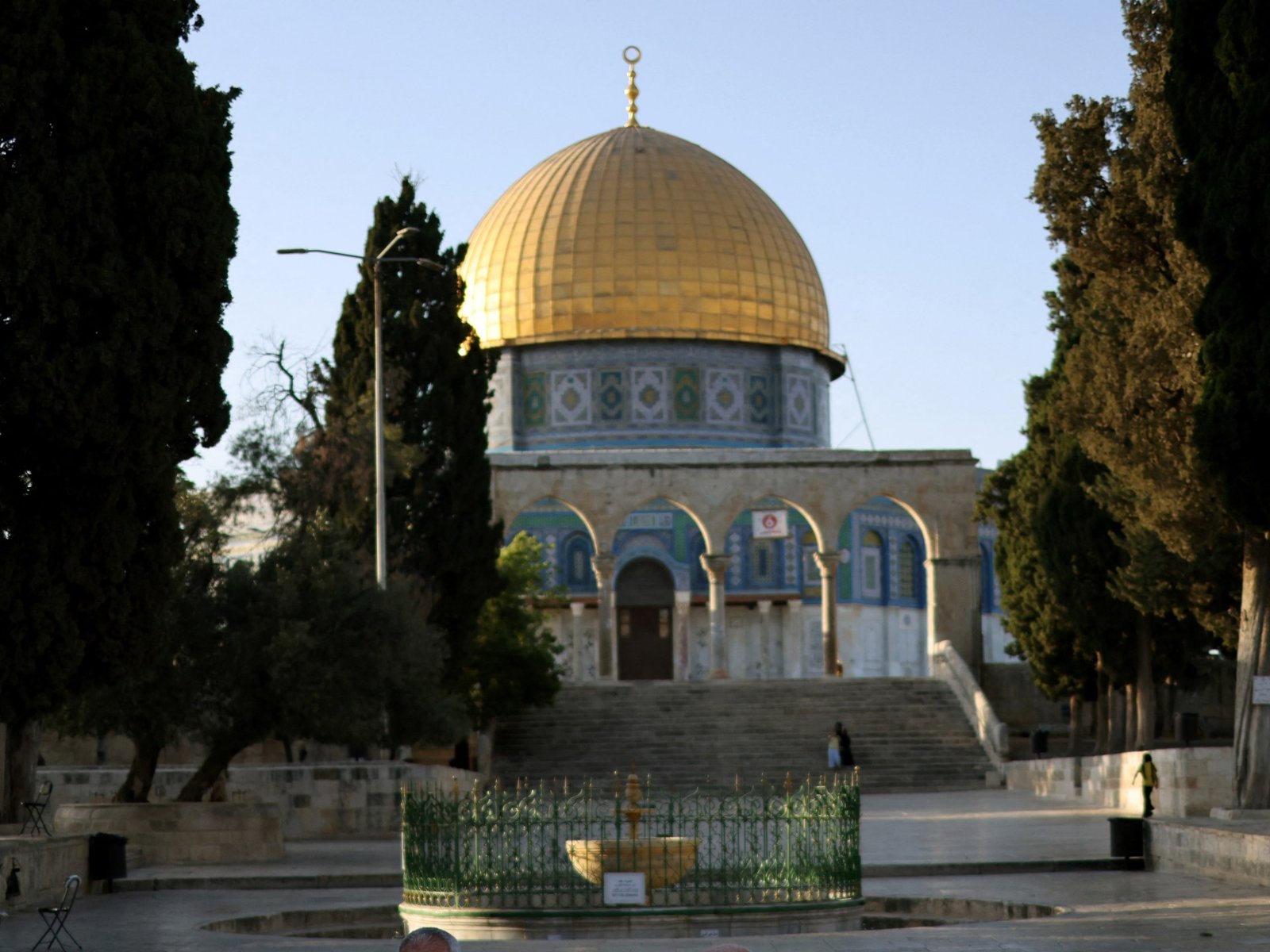
Israeli authorities have extended an exclusion order against Sheikh Ekrima Sabri, barring the prominent preacher from Al-Aqsa Mosque until April 2027. The October 20 decision prevents Sabri from praying or delivering sermons at the holy site in occupied East Jerusalem. This latest ban marks the fifth such order issued against him since August 2024.
Sabri described the measure as unjust and illegal, stating it aims to silence criticism of Israeli policies. He noted that these actions diminish Palestinian presence while allowing settlers to carry out incursions in large numbers. The restrictions began after police detained him for mourning assassinated Hamas leader Ismail Haniyeh.
The Wadi Hilweh Information Center reported more than 1,000 exclusion orders issued against Palestinians since the start of 2026. These bans target religious figures, Islamic Waqf employees, and regular worshippers. The group documented over 40 orders in five days during early September ahead of Jewish holidays.
Ibrahim al-Natsheh, a Jerusalem resident, received a six-month ban after attending funeral prayers at the mosque. He stated that orders often cite disturbing the peace without specific charges. Al-Natsheh alleged that soldiers frequently block his entry and beat him with batons when he attempts to reach the compound.
Ma’rouf al-Rifai, an adviser to the Jerusalem Governorate, warned that Israeli measures are undermining the Islamic Waqf’s authority. He noted that fewer than 15 guards now work morning shifts compared to approximately 50 previously. Israeli forces have also prevented Waqf officials from accompanying Jewish groups entering the site.
Nearly 28,000 settler visits were recorded between July and September according to Palestinian officials. Al-Rifai said these incursions now include Jewish prayers and rituals, challenging longstanding arrangements. He cited restrictions on restoration work at the Bab al-Rahma prayer hall as further evidence of eroding administrative control.