
Israeli president tasks Gadi Eisenkot with forming next government
Former army chief has 28 days to build a coalition after securing support from 67 lawmakers in the Knesset.
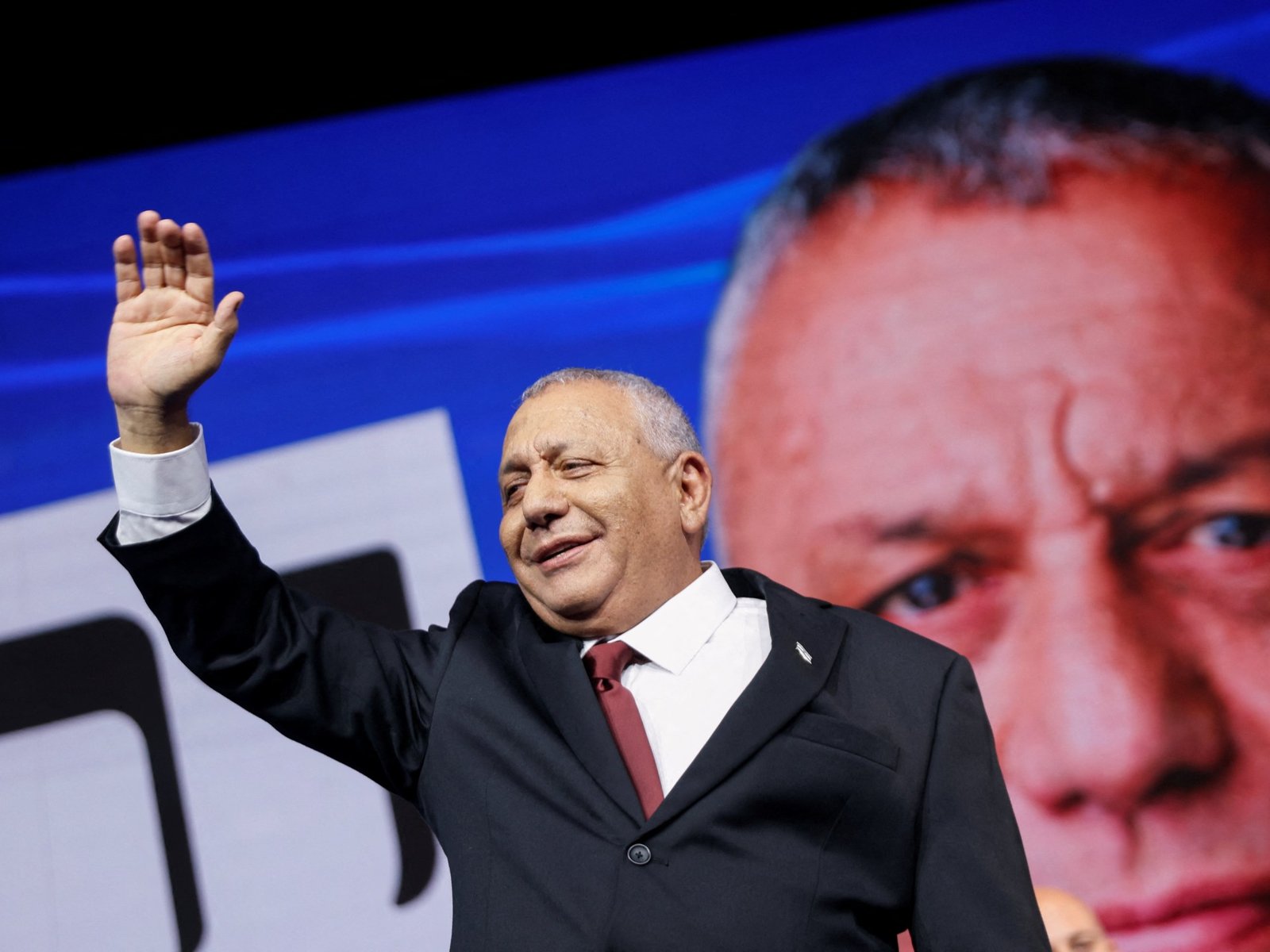
Israeli President Isaac Herzog has tasked former army chief Gadi Eisenkot with forming the country’s next government. This decision passes over current Prime Minister Benjamin Netanyahu following consultations with political parties this week. Herzog informed Eisenkot of his choice on Saturday evening. The formal handover of the mandate is scheduled for a ceremony on Sunday.
The president’s spokesperson stated that parliamentary factions representing 67 Knesset members recommended Eisenkot for the role. In contrast, factions representing only 46 lawmakers backed Netanyahu. One seven-member faction declined to recommend any candidate during the consultation process. Herzog held in-depth talks with figures across the political spectrum before making his final determination.
Eisenkot now has 28 days to build a coalition of at least 61 seats in the 120-member parliament. The president may grant a 14-day extension if more time is needed. Neither main bloc secured a majority in the October 27 general election. Eisenkot’s alliance won 48 seats while Netanyahu’s right-wing bloc secured 53 seats.
Arab-led parties won a record 19 seats and endorsed Eisenkot, yet he has ruled out forming a government with them. He must therefore win over ultra-Orthodox parties or secure a minority government through external support. Winning over United Torah Judaism and Shas would give him exactly the 61 seats required for a parliamentary majority.
Netanyahu warned that a government dependent on Arab-led parties would lead to Israel’s collapse. He claimed such an arrangement would dismantle the state from within. Ahmad Tibi, a senior member of the Joint List, rejected these remarks and called Netanyahu the biggest terrorist in the region. Tibi prioritized removing the current leadership despite policy differences.