
UN records record high of settler attacks in West Bank
OCHA documented 397 incidents in October, the highest monthly total since monitoring began in 2006, with many linked to olive harvest.
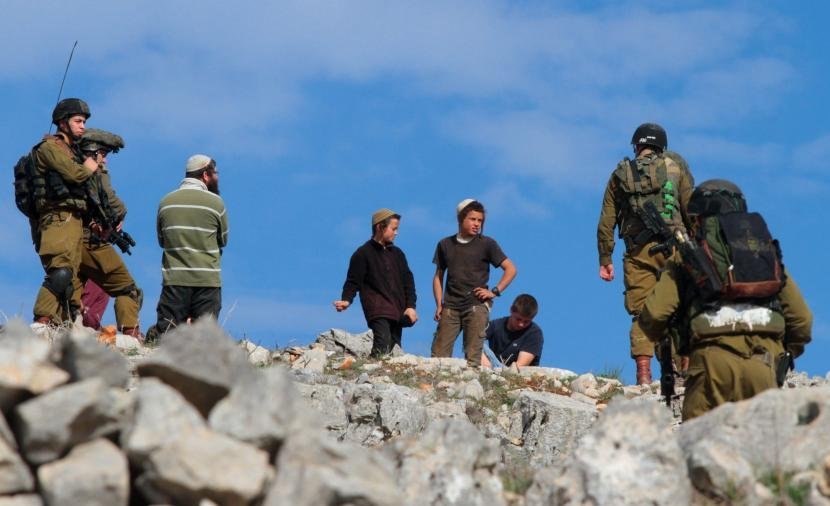
The United Nations humanitarian office reported a historic surge in violence by Israeli settlers against Palestinians in the occupied West Bank last October. The agency logged 397 separate incidents during the month, representing the highest monthly count since it started tracking such violations in 2006.
A report released on Sunday clarified that this figure excludes data from the final five days of October. The document noted an additional 62 attacks occurred between October 20 and 26, affecting 49 different Palestinian communities across various parts of the territory.
Thirty-eight of these recent incidents were directly connected to the ongoing olive harvest season. This period sees intensified aggression toward farmers and their lands, as settlers increasingly target agricultural workers during the critical window for gathering crops.
During that same week, 57 Palestinians sustained injuries in clashes involving both settlers and occupation forces. Nine of those injured were children, highlighting the broad impact of the violence on vulnerable populations within the affected areas.
Settlers were responsible for injuring 23 individuals through direct assaults. Israeli forces caused injuries to another 34 people through gunfire and physical confrontations in scattered locations, including occupied East Jerusalem and other parts of the West Bank.
Amnesty International urged global powers to sanction Israeli officials implicated in international law breaches. The rights group called for immediate measures to stop the escalating attacks on farmers and landowners, citing growing impunity for perpetrators in the occupied territories.
The UN office stressed that current violence levels significantly exceed previous years. Settler activities continue to disrupt daily life and economic stability for Palestinian communities, with insufficient intervention to protect residents from threats during the harvest season.