
Israeli forces withdraw from Hebron ending 10-day siege in West Bank
Governor Khaled Dudin confirms Palestinian security forces have taken full control as displaced families begin returning to their homes and students resume classes.
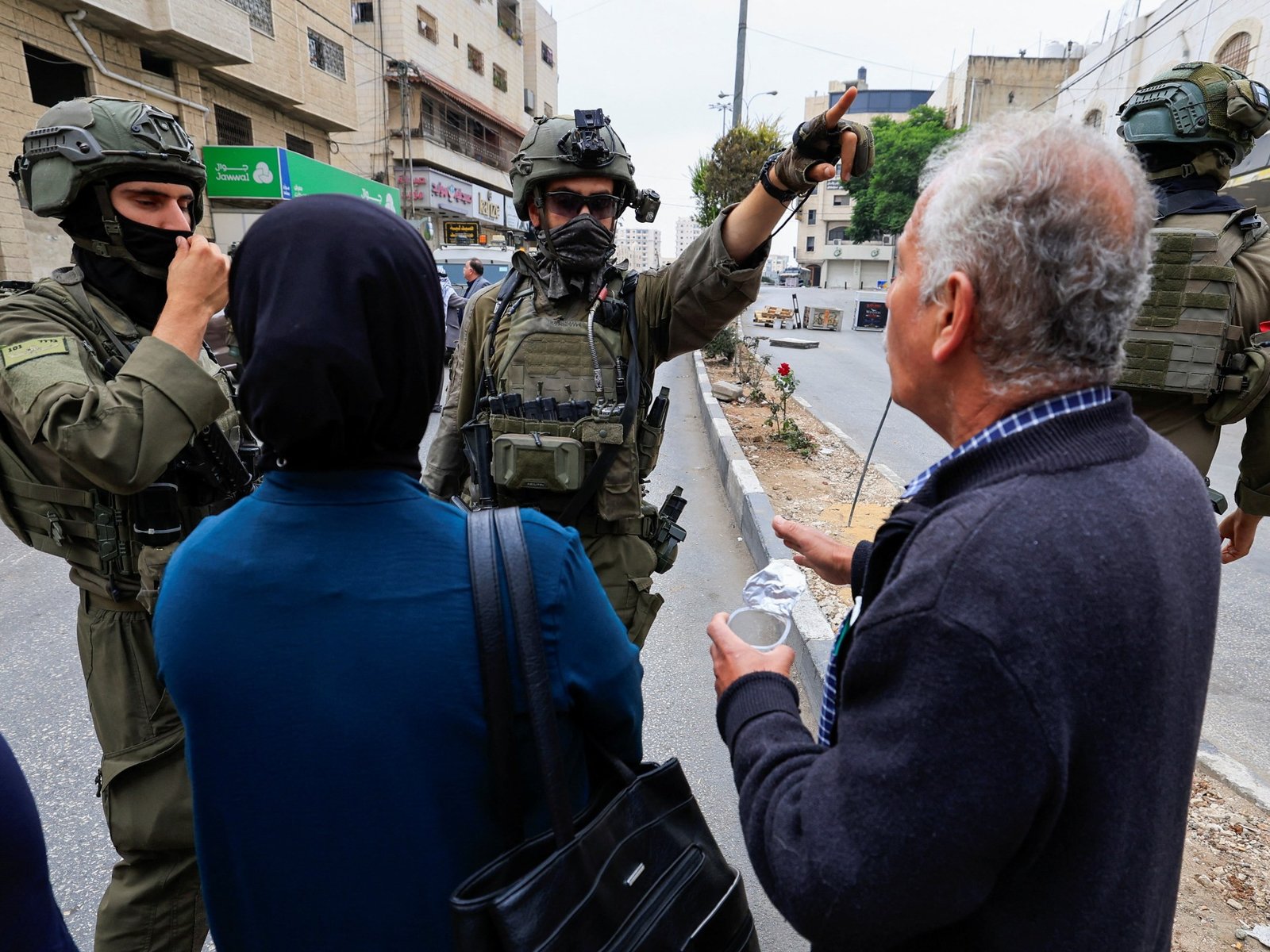
Hebron Governor Khaled Dudin announced on Monday that Israeli forces have withdrawn from the city in the southern occupied West Bank. This move ends a 10-day siege that began after a shooting attack killed two Israeli soldiers. The governor stated that Palestinian security forces have now taken full control of the area following the military departure.
Dudin confirmed that families forced to leave their homes during the operation can now return. He added that relevant authorities are monitoring developments on the ground to ensure safety. The governor emphasized that officials are working to provide the necessary conditions for residents to come back to their neighborhoods without further incident or delay.
Hebron Mayor Youssef al-Jaabari said the municipality received official notice of the withdrawal at 6am local time. He reported that schoolchildren are going to their schools for the first time in ten days. University students are also returning to campuses after five institutions were closed during the complete closure imposed by the occupying forces.
The Israeli military imposed the siege on October 23 after two Palestinians killed two soldiers and wounded three others. Israeli forces later killed the two attackers. During the operation, troops seized homes in Al-Jalda and Ein Deir Baha areas. They converted these residences into military posts while imposing strict closures on the city and surrounding villages.
More than 3,300 Palestinians were displaced or affected by the operation, according to the Hebron Governorate. The authority reported that 15 homes and other structures were demolished during the incursion. At least 317 shops were forced to close, causing significant damage to the local economy. Infrastructure suffered harm and education was severely disrupted across the governorate.
Returning residents reported that soldiers had wrecked the interiors of homes used as military posts. Some said money and personal belongings had been taken from their properties. Civil defence teams warned that walls of one demolished home were on the verge of collapse. The siege had impacted a wider governorate of about 800,000 people through checkpoint closures.